NWAVE SMART PARKING — SARASOTA & MANATEE

Smart Parking Sensors
in Sarasota, FL

Know which spaces are free, in real time. Nwave puts a wireless sensor in each bay and a long-range gateway on the property; we survey the site, mount the hardware, pull the power the gateways and signs need, and stay on as your local support.
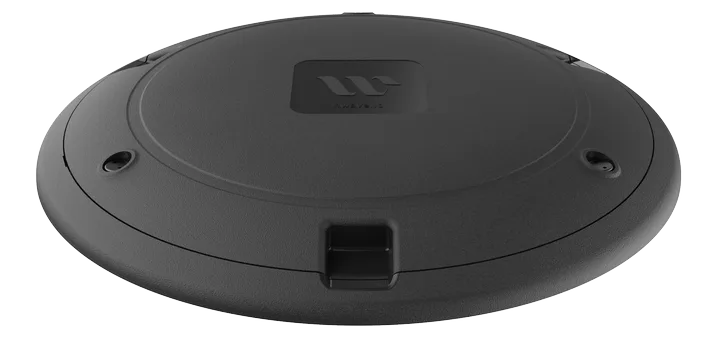
Nwave wireless smart parking sensor, surface-mount model
What Goes In
Wireless sensor in each parking bay
Long-range gateway covering the lot
Digital message signs at entries
Dashboard with live occupancy
Driver app with wayfinding
Power and mounting for it all

How a Smart Parking System Works

Three pieces: something that senses the car, something that carries the signal, and something that tells people where to go.

1
The sensor
A battery-powered wireless sensor sits in each bay and detects whether a vehicle is there. No trenching to the space and no cable to cut.
2
The gateway
One long-range gateway collects from hundreds of sensors and sends occupancy to the platform in real time. Placement is what the site survey decides.
3
The output
Live counts drive entrance signs, lane signs and a driver app, and feed a dashboard your team uses to see how the property is actually used.

The Hardware We Install

Two sensor form factors, the signs that tell drivers where to go, and the map your team watches.
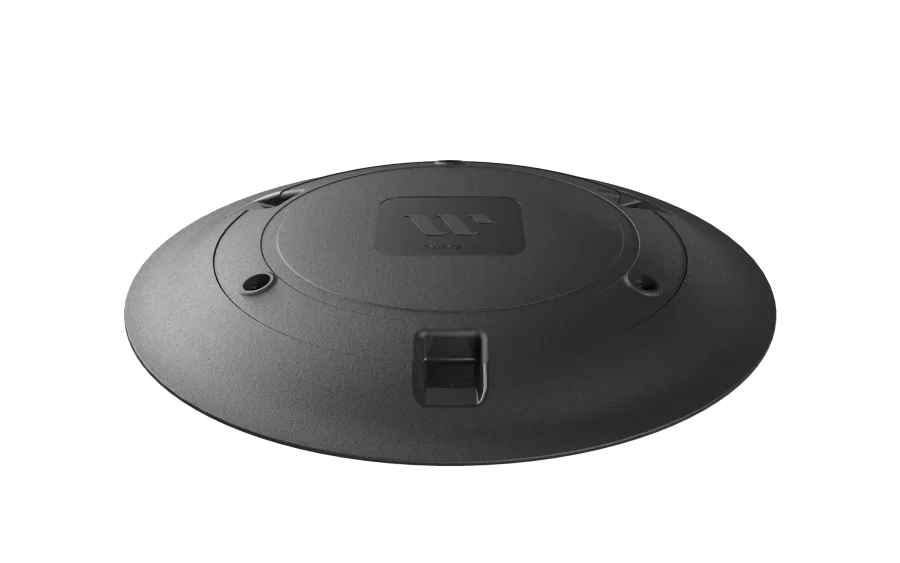
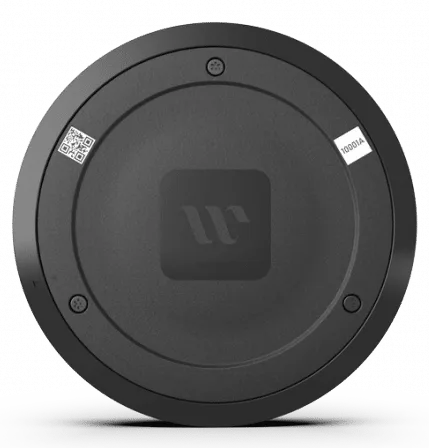
Nwave surface-mount smart parking sensor
Surface-Mount Sensor
Bonded to the surface of the bay in about thirty seconds. No trenching, no cable, no street furniture. This is the one that goes in Florida.
Nwave flush-mount in-ground parking sensor
Flush-Mount Sensor
Sits recessed into the pavement. It exists for regions that run snowplows over their lots — which is why we rarely specify it here.
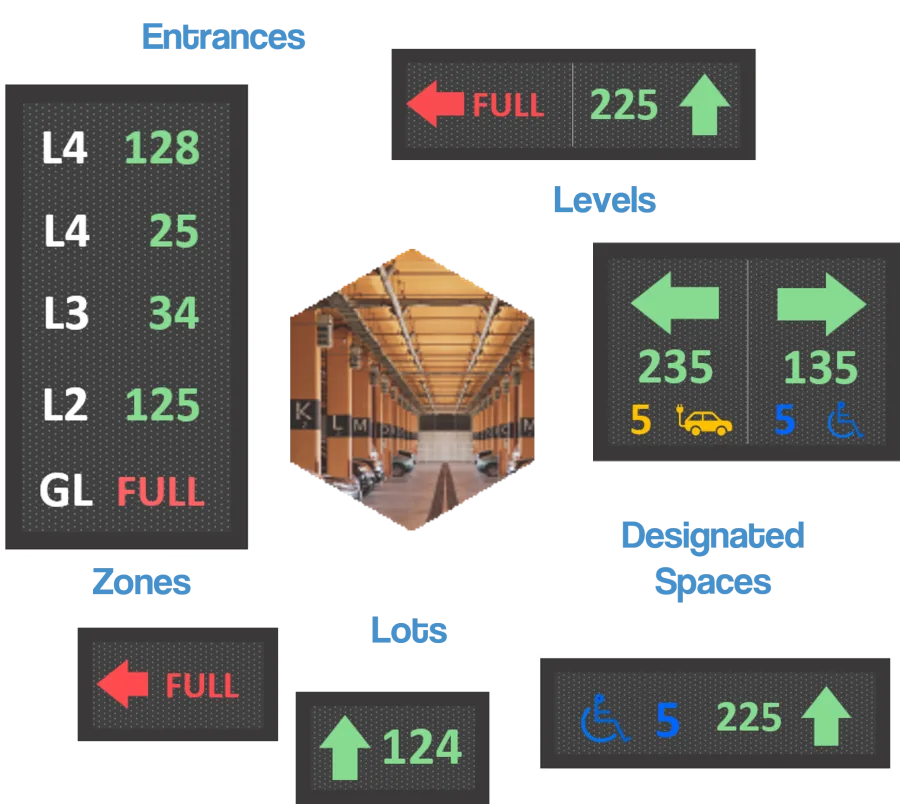
Nwave digital message signs showing live parking counts by level and zone
Digital Message Signs
Live counts at the entrance, by level, by zone and for designated EV and accessible bays. This is the part that stops the loop around the building.
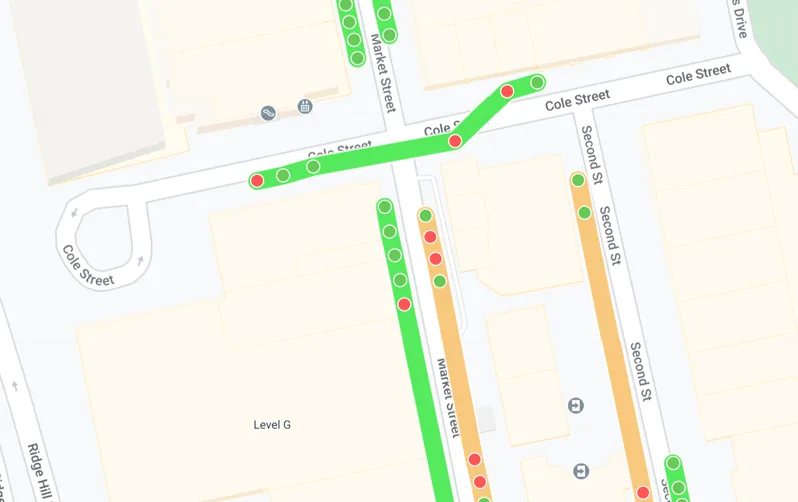
Nwave analytics map showing live parking space occupancy
Live Occupancy Map
Every bay, green or red, in real time — indoor and outdoor views. The same data drives the reports behind pricing and enforcement decisions.

Product images courtesy of Nwave. All Technology Security is the installing contractor.

Accuracy and Simplicity: Indoors, Outdoors & Rooftops

The same sensor works in all three. What changes is where the gateways go — which is the question a site survey exists to answer, and the reason it comes before any quote.

Indoors
Multi-level garages, where GPS dies and drivers circle blind. Counts run per level and per zone, and the signs at each ramp send people up or past.
Outdoors
Open lots and on-street bays. Nothing above ground to be vandalized, snagged by a mower or knocked out by a delivery truck backing up.
Rooftops
The top deck takes the full Florida sun, rain and salt air. The sensors are sealed and rated for load, so a rooftop bay reports exactly like a covered one.
Accuracy
99.9% per space
Nwave publishes per-space detection at 99.9%, and 99%+ for lane counting at entries and exits.
It rejects false events
Advanced filtering separates a real parking event from electromagnetic interference, so a bay does not flip to occupied because something large passed nearby.
Counting and per-space, together
Count the lot at the lane for a fast rollout, then add per-space sensors where you need bay-level detail. The same dashboard shows both.
Designated bays are tracked separately
EV chargers and accessible spaces report as their own categories, not folded into a single lot total where nobody can see them.
Simplicity
About 30 seconds per bay
The surface-mount sensor bonds to the pavement. No wires to the space, no trenching, no new street furniture — Nwave reports installation time and cost down by up to half.
Your lot stays open
We work a section at a time. Nobody closes the garage, and there is no cable run to schedule around your busiest hours.
Up to ten years on a battery
With effectively no maintenance in between. We schedule the replacement cycle rather than waiting for bays to go quiet.
Start small, grow later
The design is modular, so one level or one lot is a legitimate first phase. Nwave reports customers seeing positive ROI within three months of deployment.
It talks to what you already run
LoRaWAN infrastructure you already have can carry it, and the platform integrates with PARCS, license-plate recognition, payment and reservation systems.

Accuracy, battery, installation-time and ROI figures are published by Nwave for their platform. What your property actually returns depends on the site, which is why we survey before we quote.

The Part Somebody Has to Do On Site

A parking platform is software and hardware. Between the two sits the work nobody ships in a box: surveying the property, deciding where gateways reach, mounting sensors in live traffic, and running power to signs on a structure that already exists.

That is our side of it. We are a licensed low-voltage and electrical contractor, so the sensor work and the power for the signs come from one company on one schedule — not two trades blaming each other for the delay.

Site survey & gateway placement
Sensor mounting, bay by bay
Power for gateways & signage
Conduit, trenching & make-safe
Network backhaul to the platform
Commissioning & bay mapping
Staff walkthrough & handover
Ongoing local service calls

Where It Pays for Itself

Anywhere drivers circle looking for a space, and anywhere you are guessing at how full you really are.

Hospitals & clinics
Patients arriving stressed and late should not be hunting for a bay. Staff and visitor areas counted separately.
Airports
Long-stay, short-stay and rental returns, each with live counts at the entrance instead of a barrier queue.
Universities & campuses
Permit areas, event overflow and the daily peak that decides whether you need more asphalt or better information.
Municipal & downtown
On-street occupancy data for enforcement, pricing and the argument about whether parking is really full.
Corporate campuses
Reserved bays that stay empty, visitor spaces taken by staff, and EV chargers occupied by cars that finished hours ago.
Retail & mixed use
Turnover per bay, peak hours by entrance, and signage that stops the loop around the building.

What Nwave Reports

Up to 60%
less time spent searching for a space
Up to 10%
more of the lot actually used
Up to 50%
lower installation time and cost
~3 months
to positive ROI, as reported by customers

Figures published by Nwave for their platform. Real results depend on the site, and we would rather survey yours than promise you a number.

Smart Parking Questions

Does this need trenching to every space?
No. The bay sensors are battery powered and wireless, so the spaces themselves need no cable. Gateways and any digital signs do need mounting and power, and that is the part we handle as an electrical contractor.
Will it work outdoors, in a garage and on a rooftop?
Yes, all three. What changes between them is where the gateways go and how many you need, which is exactly what the site survey settles before anyone quotes hardware.
How long do the batteries last?
Nwave specifies up to ten years, varying with traffic and how often each sensor reports. We build the replacement cycle into the maintenance plan so it is a scheduled visit, not a surprise.
Can it guide drivers to a free space?
Yes. Live occupancy can drive signs at the entrance and at each lane, and feed a driver app with turn-by-turn guidance to an open bay.
Surface-mount or flush-mount sensors?
Surface-mount, almost always. It bonds to the pavement in about thirty seconds with no cutting. The flush-mount version is recessed into the surface and exists for regions that run snowplows across their lots, which is not a problem Sarasota has.
Can we start with one lot instead of the whole property?
Yes, and it is usually the better move. The system is modular, so a single level or lot is a legitimate first phase — you see real numbers from your own property before committing the rest of the budget.
Can it monitor EV charging bays?
Yes, and it is one of the more useful cases: knowing when a charger is occupied by a car that finished charging hours ago is a different problem from knowing the charger is in use.
Who do we call when something stops working?
Us. Nwave provides the platform and the hardware; we are the contractor on the ground for the survey, the install and every service call after it.

Request a Smart Parking Quote

Tell us about the property and we will come out and survey it. Prefer to talk it through? Call (941) 735-4586.

By submitting you agree to be contacted by our team. No spam, ever.